Use a Self-Discipline Tracker That Measures Follow-Through
Discipline improves when it becomes visible. Instead of vague self-improvement goals, Three Cells helps you track commitments, recovery rate, and daily proof.
People who want a measurable discipline scorecard, especially if they are tired of promising change without keeping a visible record.
Why Discipline Still Feels Abstract
Most people try to improve discipline through motivation, but never define what daily follow-through actually looks like.
You want more discipline, but you do not define a daily standard that can actually be measured.
A missed day feels like failure because you are not tracking recovery as part of the process.
Your goals are broad, so it is hard to tell whether you are becoming more disciplined or just staying busy.
A Scoreboard for Commitments and Recovery
Three Cells turns discipline into a trackable system: habits for repeated promises, tasks for today's commitments, and journal notes for honest review.
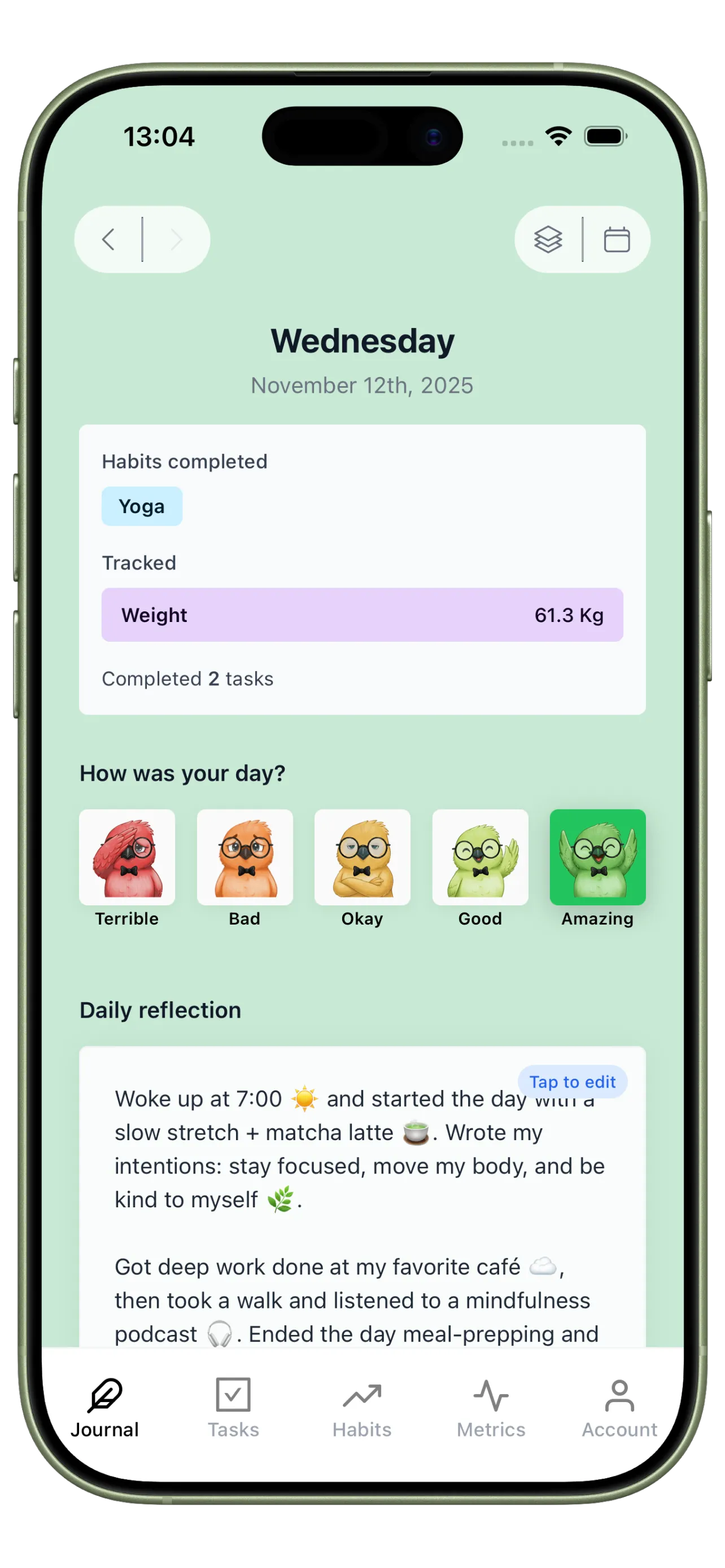
Promise Review Journal
Use Journal to record the gap between intention and action in plain language. Honest notes create better standards than self-judgment.
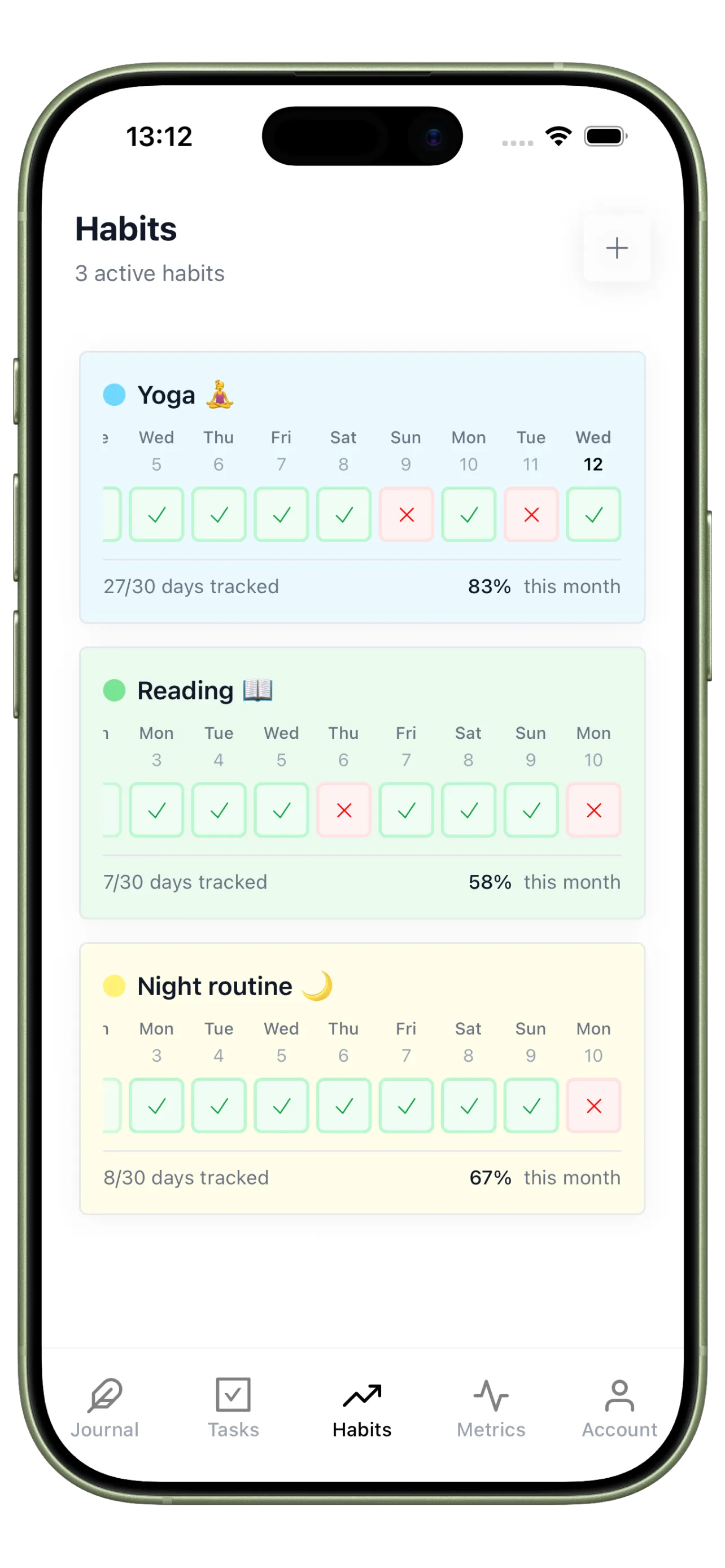
Discipline Score Habits
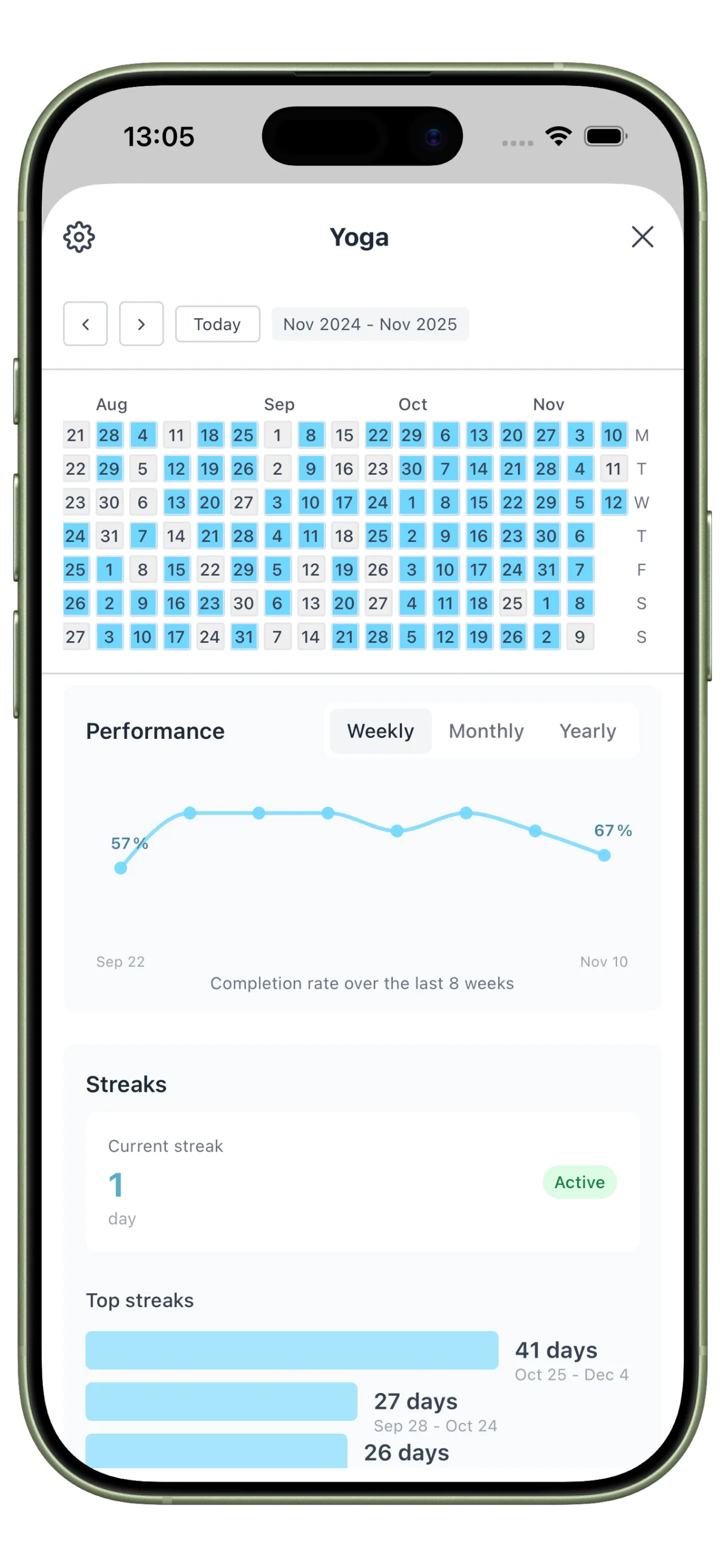
Use Habits to score the repeated behaviors that represent discipline for you. Keep them small enough to measure cleanly.
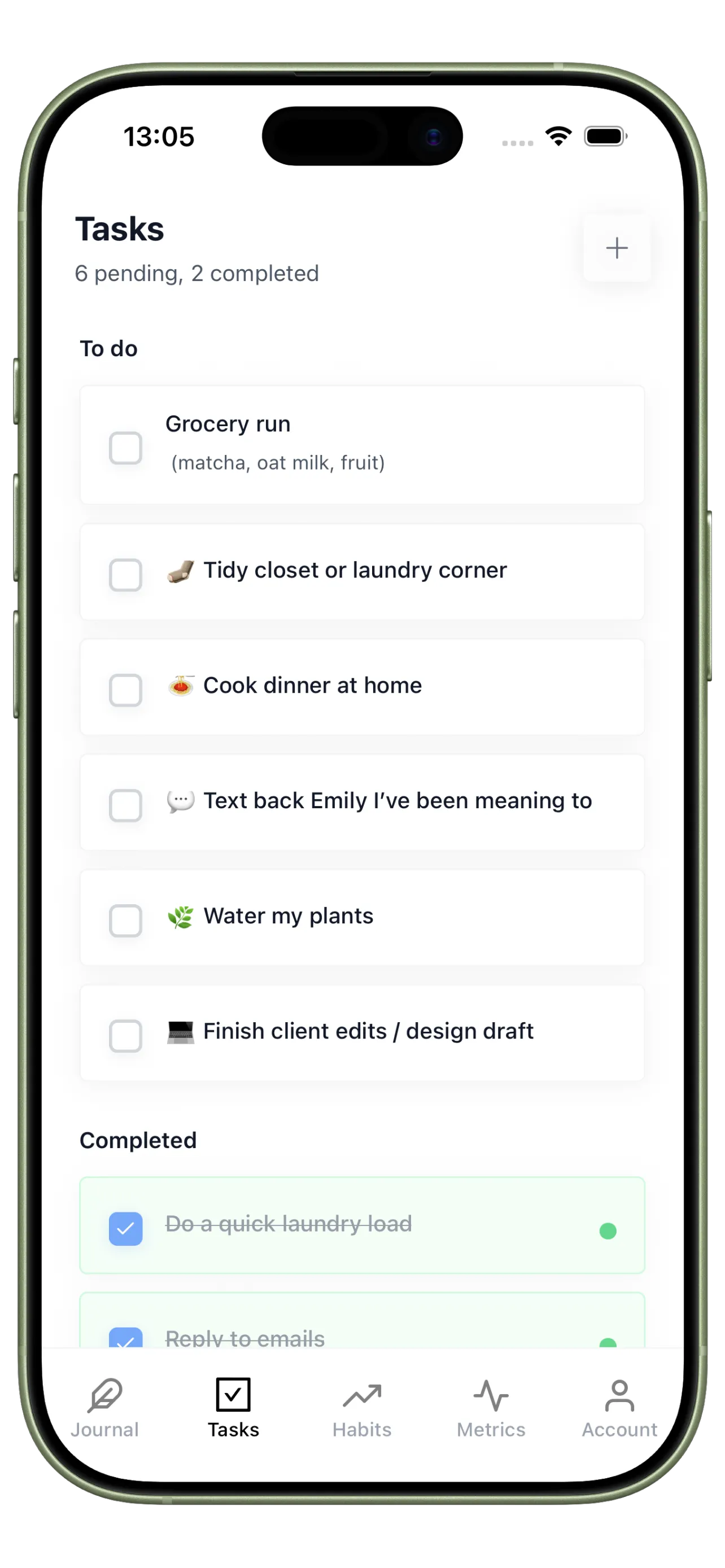
Recovery Action Queue
Use Tasks to define the daily commitments that prove follow-through, especially when discipline depends on finishing a specific action.
Your 4-Step Discipline Tracking Loop
This method focuses on evidence: what you committed to, what you completed, and how quickly you recovered after misses.
Step 1
Define three discipline rules
Pick small rules you can evaluate daily, such as starting on time, finishing your top task, or avoiding a common distraction.
Step 2
Set one explicit promise each morning
Make today's main commitment visible so follow-through is easy to score at night.
Step 3
Log misses without editing the story
Write the real reason a standard slipped so you can improve the system instead of protecting your ego.
Step 4
Review recovery every week
Measure how fast you returned to the standard after a miss. Recovery speed is one of the clearest discipline signals.
Measure Recovery, Not Just Perfect Streaks
The strongest discipline systems track your bounce-back speed, not only your best uninterrupted run.
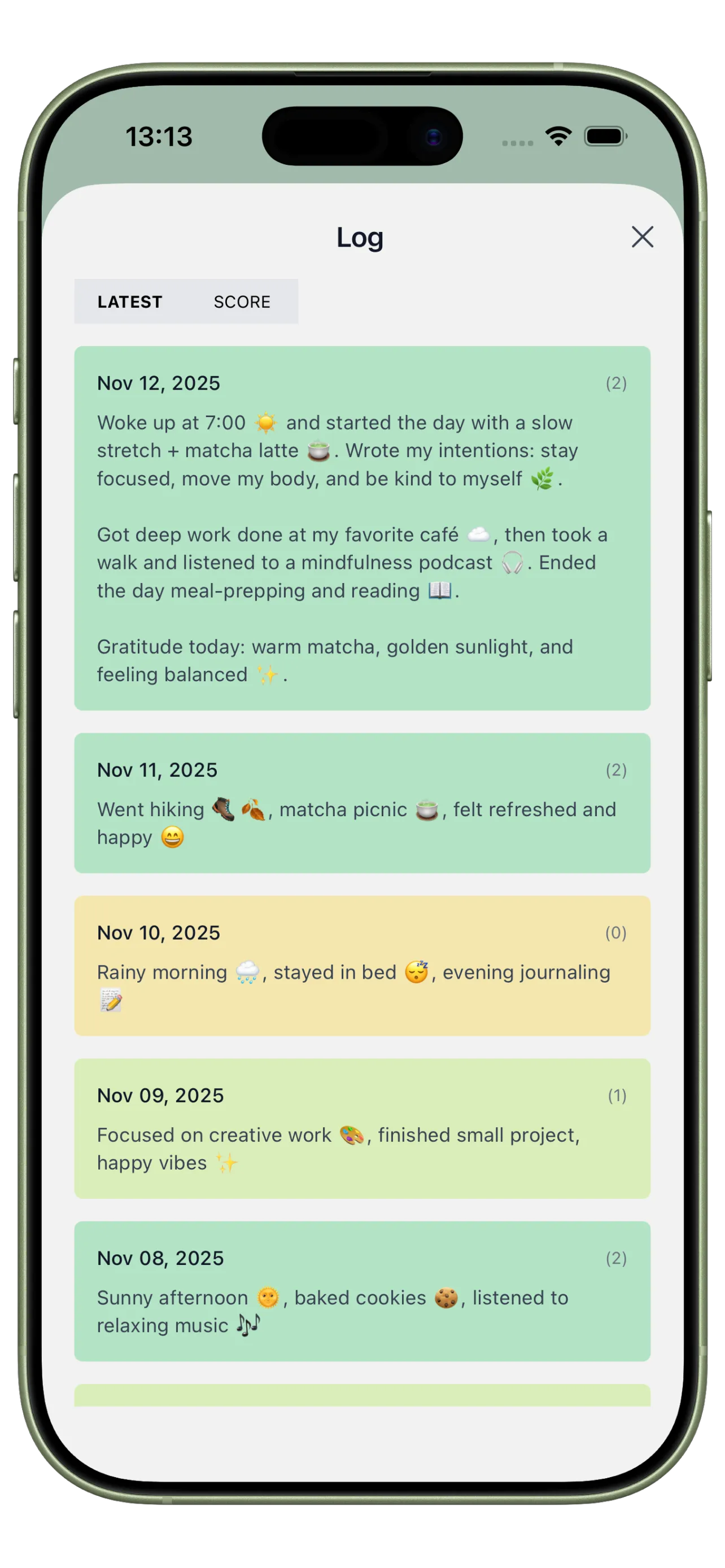
Promise Ledger
Log what you committed to and how well you followed through so discipline stops being a vague feeling.
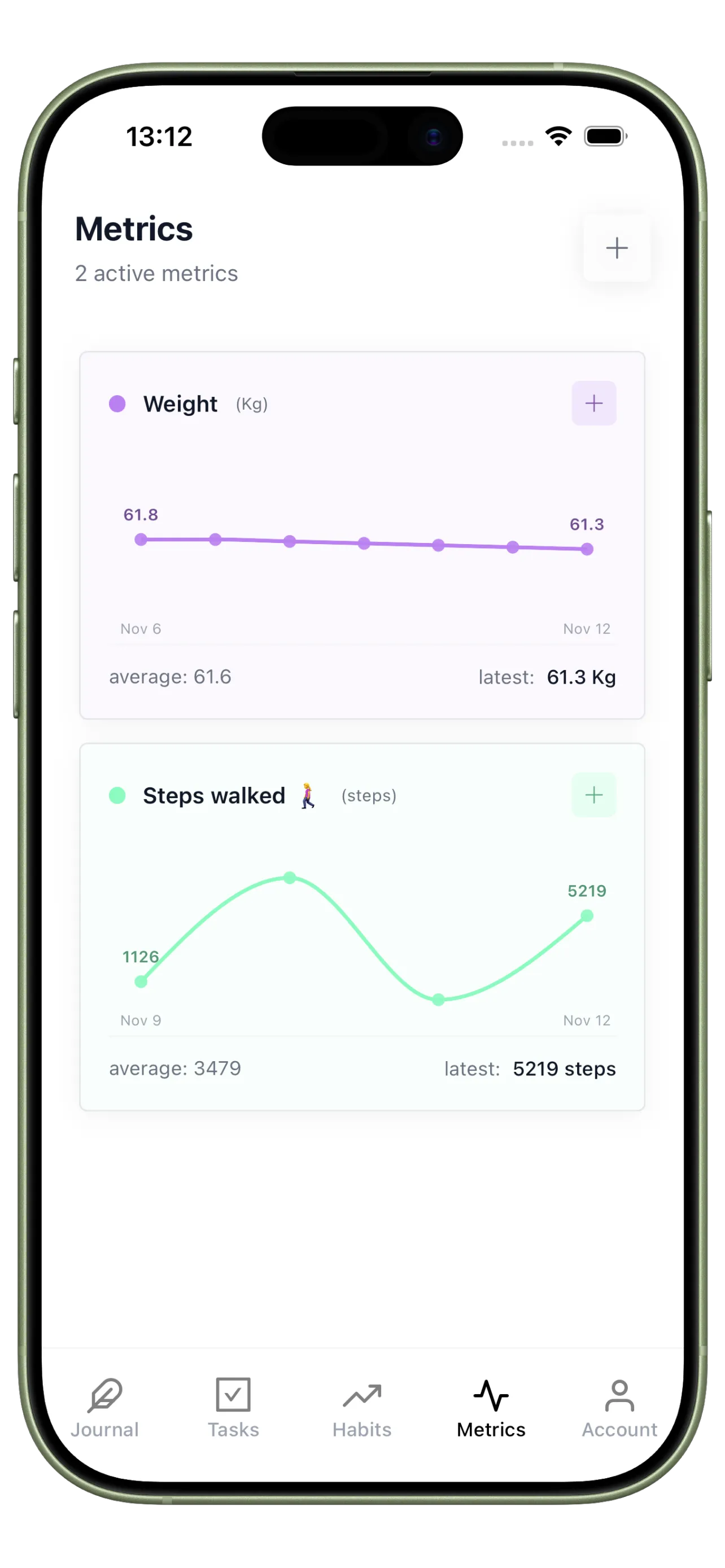
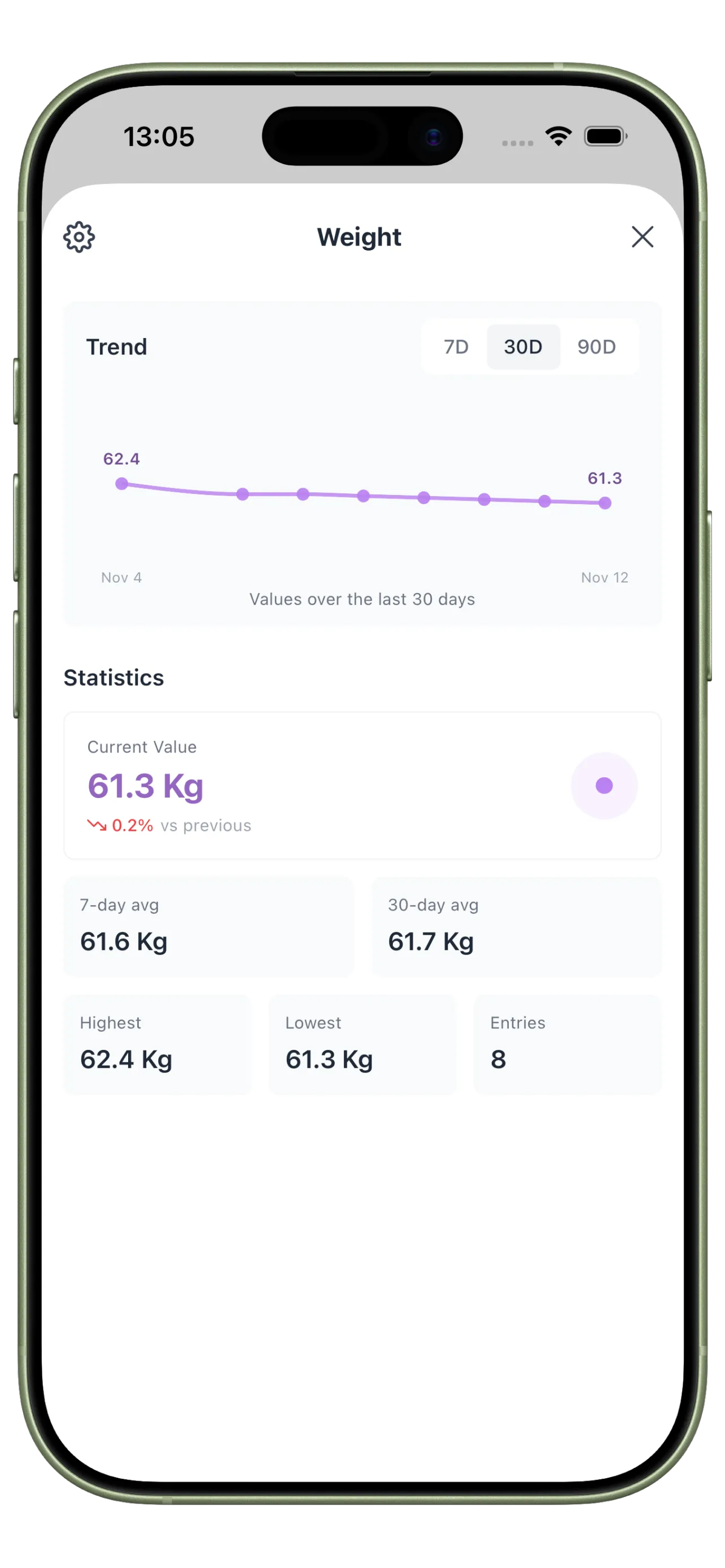
Recovery Rate Metrics
Track streak restarts, completion rate, or missed-day recovery speed to improve consistency without perfectionism.
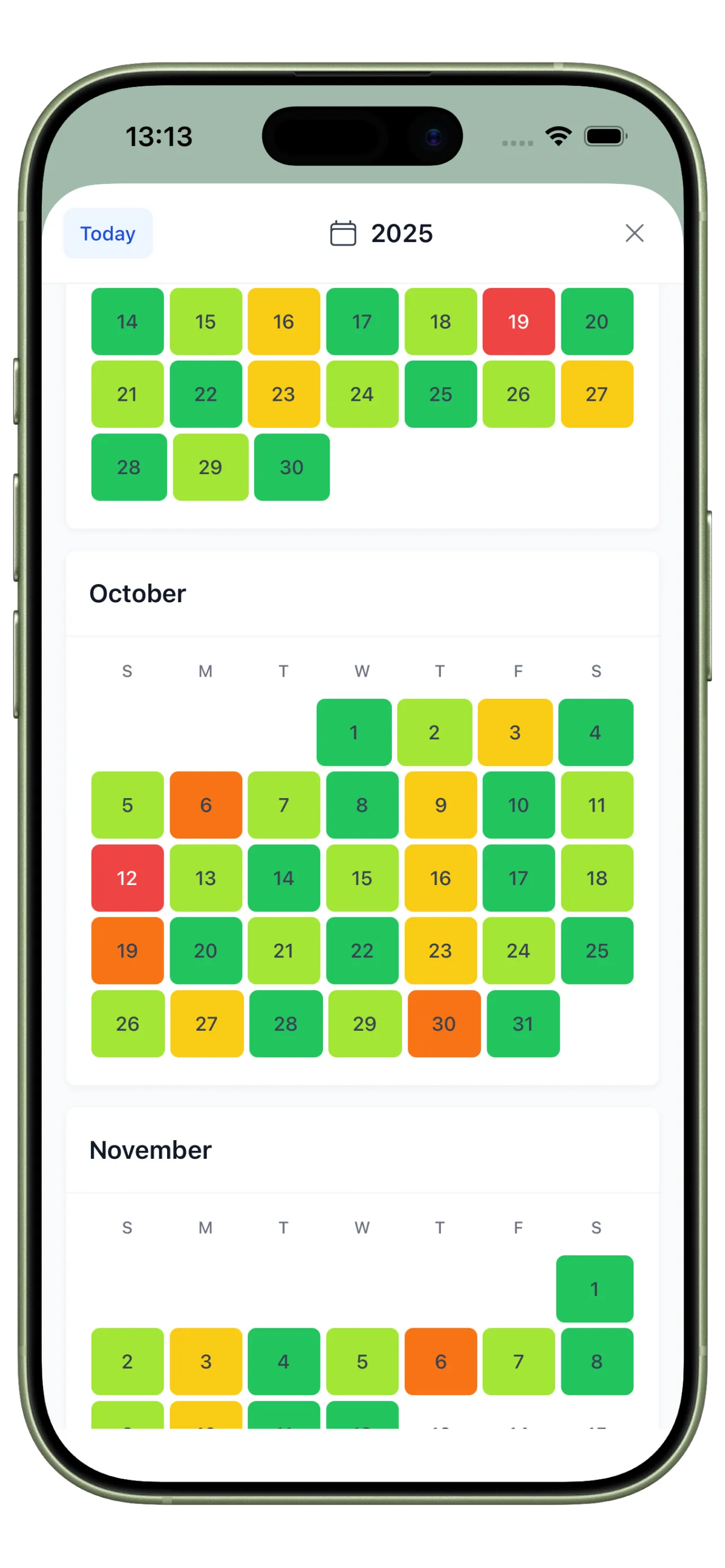
Follow-Through Heatmap
See how often you stayed aligned with your standards and where lapses started clustering.
From Good Intentions to Measurable Proof

Before: Discipline by Mood
You feel determined for a few days, then lose track of what you actually followed through on.

After: Discipline by Evidence
You can point to daily records that show what you committed to, what you completed, and how your standards improved.
Self-Discipline Tracker FAQ
What should a self-discipline tracker actually track?
Track repeated standards, today's main commitment, and how quickly you recover after misses. That combination gives the clearest picture.
How do I avoid becoming obsessive with tracking?
Keep the scorecard small. A few meaningful standards are more useful than measuring every behavior in your day.
Why does tracking discipline help confidence?
Because confidence grows when you can see evidence that you follow through, even after difficult days.
Make Discipline Visible Every Day
Discipline becomes real when you can measure it, review it, and recover quickly when you fall short.