A Habit and Mood Tracker That Shows Why Days Feel Different
Mood rarely changes in isolation. Three Cells helps you track habits, short reflections, and simple metrics so you can see what supports better days.
People trying to improve energy, stress, sleep, health, or discipline by understanding how repeated behaviors affect how they feel.
Why Mood Tracking Alone Is Incomplete
A mood score tells you how the day felt, but not which habits, routines, or decisions influenced it.
You track mood but do not know what changed it.
Your habits live separately from your journal, so review is fragmented.
You miss patterns because each day is logged without enough context.
Track the Behavior Behind the Feeling
Three Cells connects mood with habits, notes, priorities, and metrics so your tracker becomes useful for decisions.
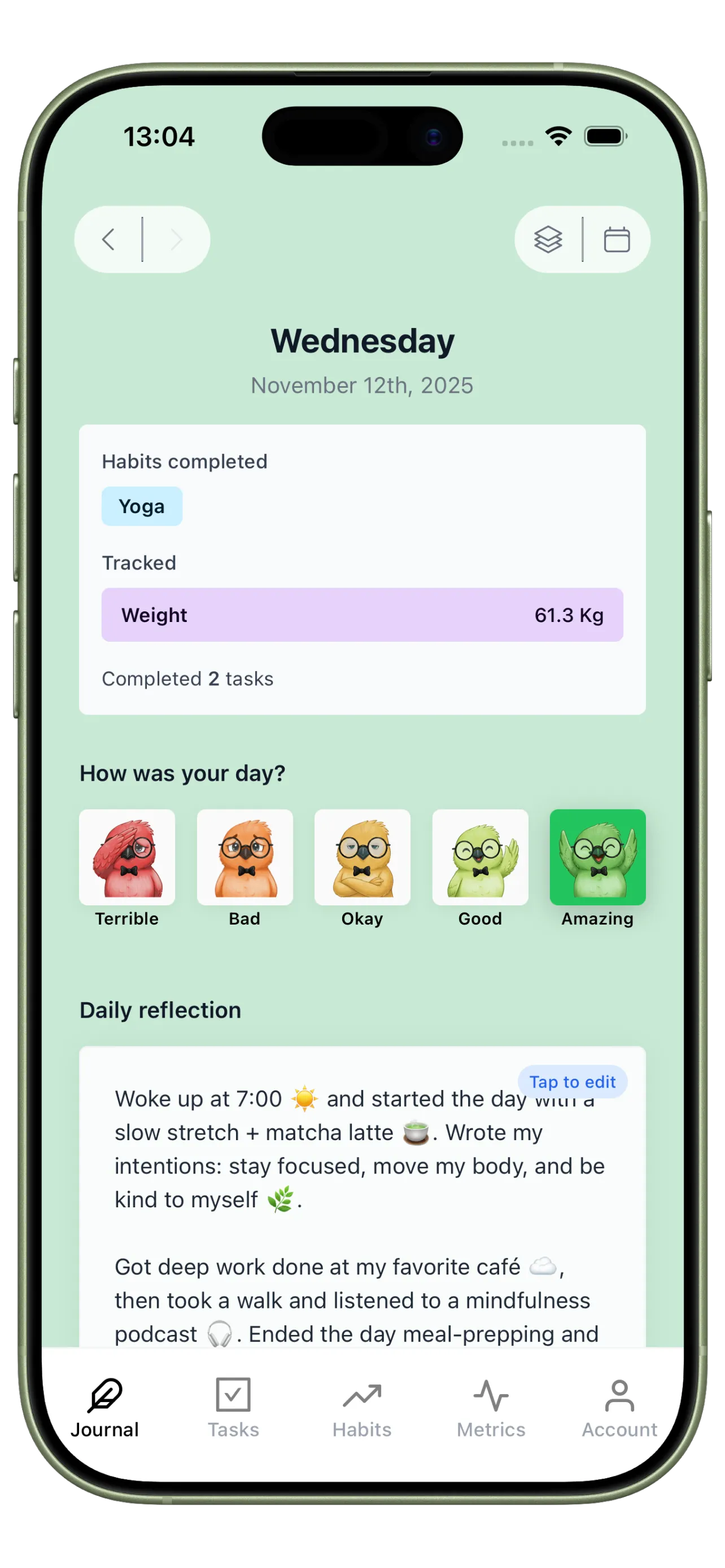
Mood Reflection Journal
Use Journal to explain the mood score with a short note about context, triggers, or wins.
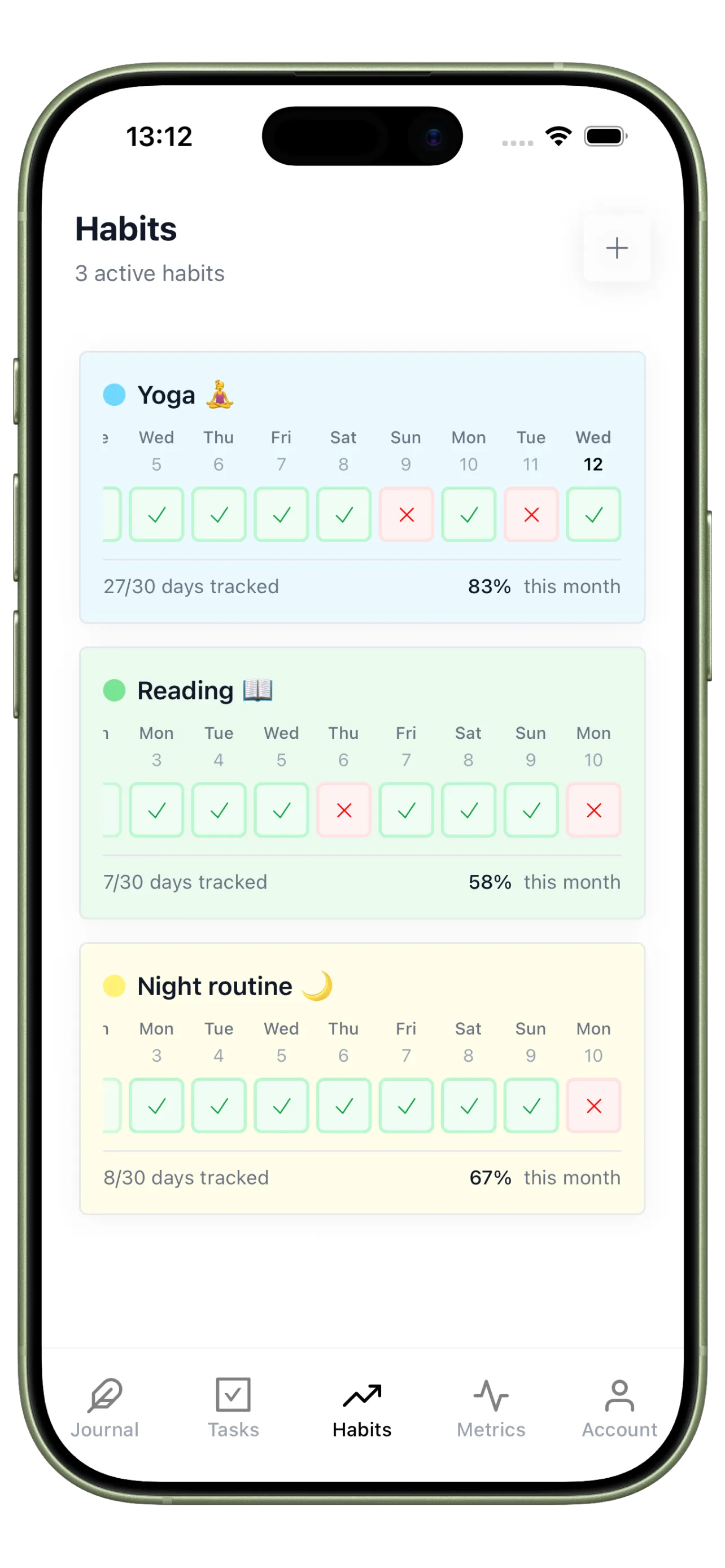
Mood-Supporting Habits
Use Habits to track the repeated behaviors most likely to support emotional stability and energy.
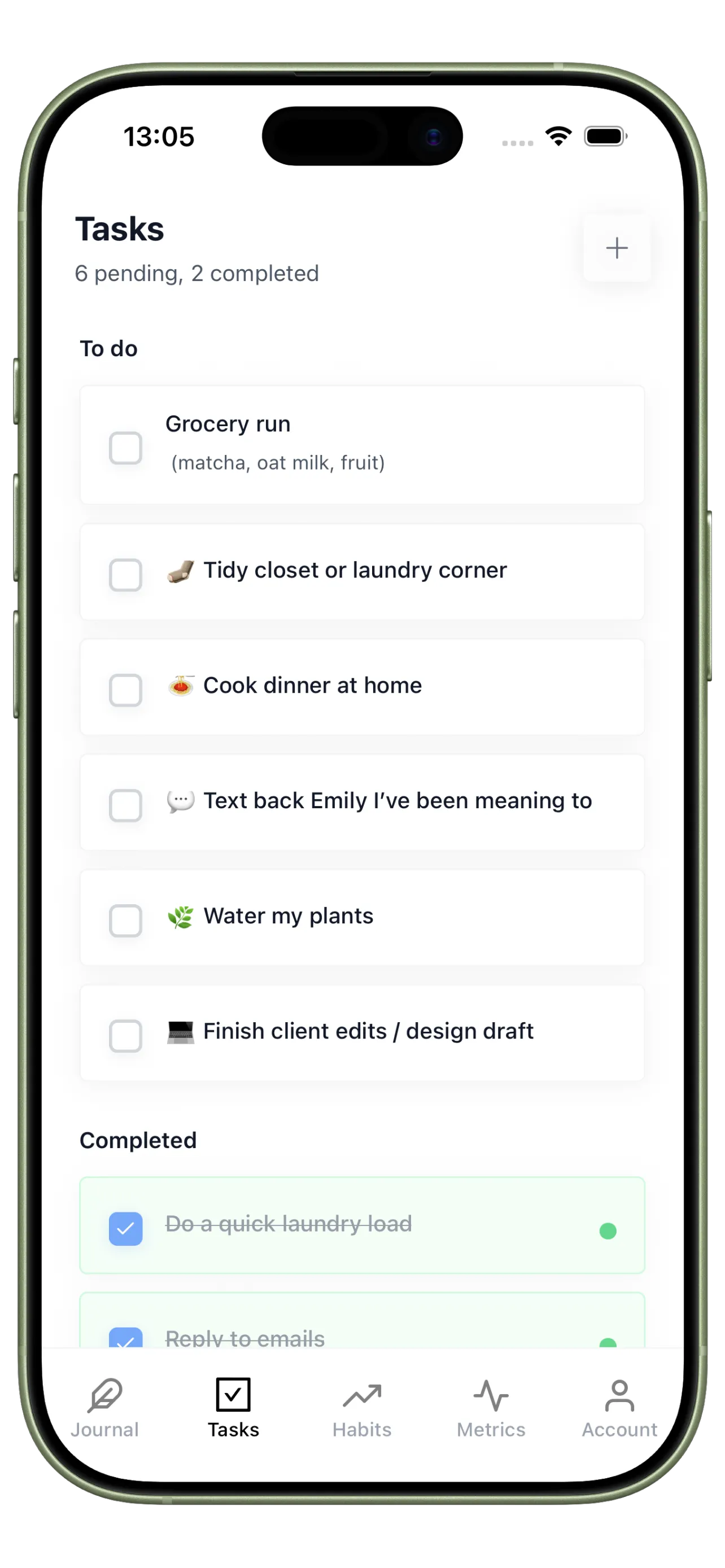
Small Recovery Actions
Use Tasks for small recovery actions like taking a walk, planning tomorrow, or reducing an avoidable stressor.
Your 4-Step Habit and Mood Review
Use the same daily inputs long enough to see which routines actually move your mood.
Step 1
Pick three mood-supporting habits
Start with sleep, movement, and one calming or focus habit.
Step 2
Log mood with one sentence
Write the main reason the day felt good, bad, heavy, or clear.
Step 3
Track one simple metric
Use sleep hours, energy, stress, or workout completion to add signal.
Step 4
Review clusters weekly
Look for repeated patterns across days, not single-day explanations.
Find the Habits Behind Better Days
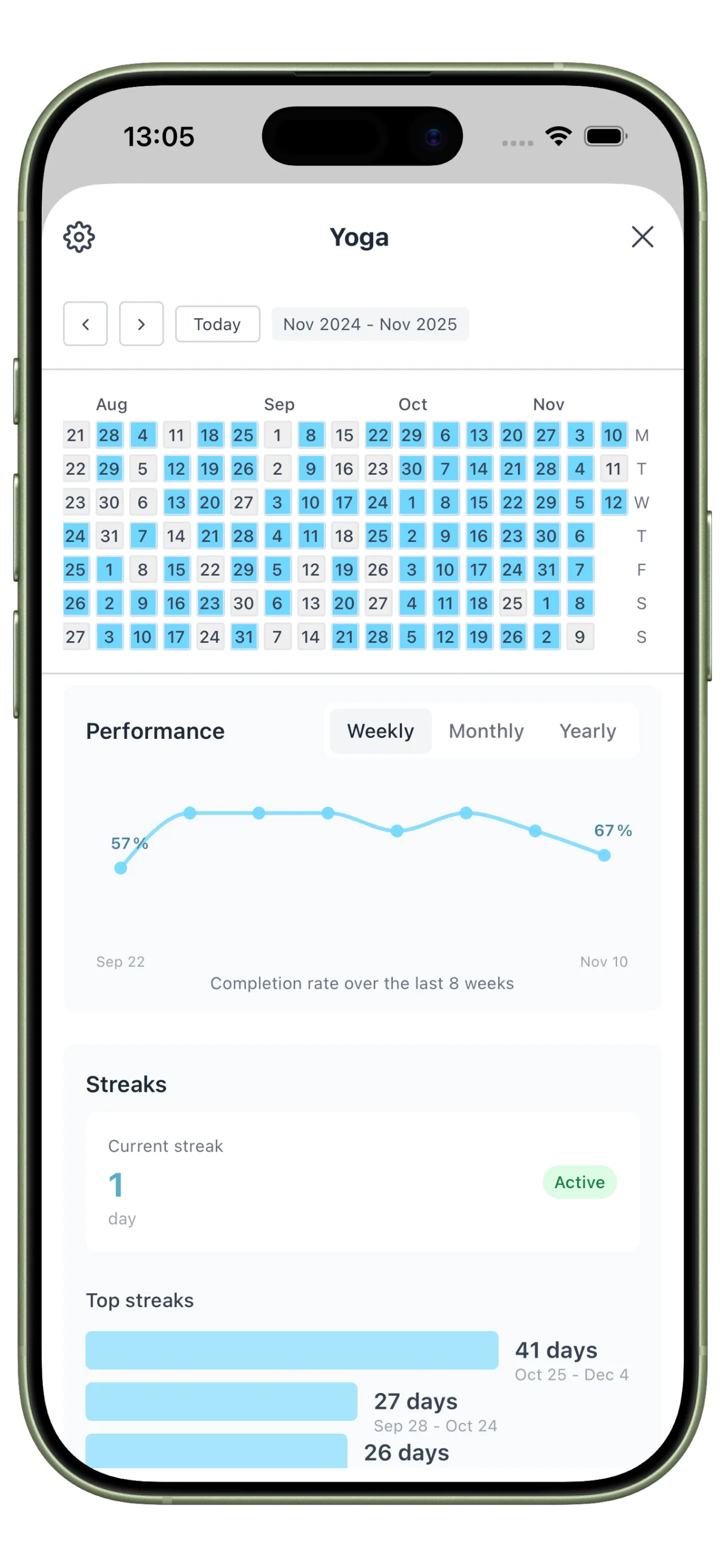
Review habit completion beside mood and metrics to see which patterns are worth protecting.
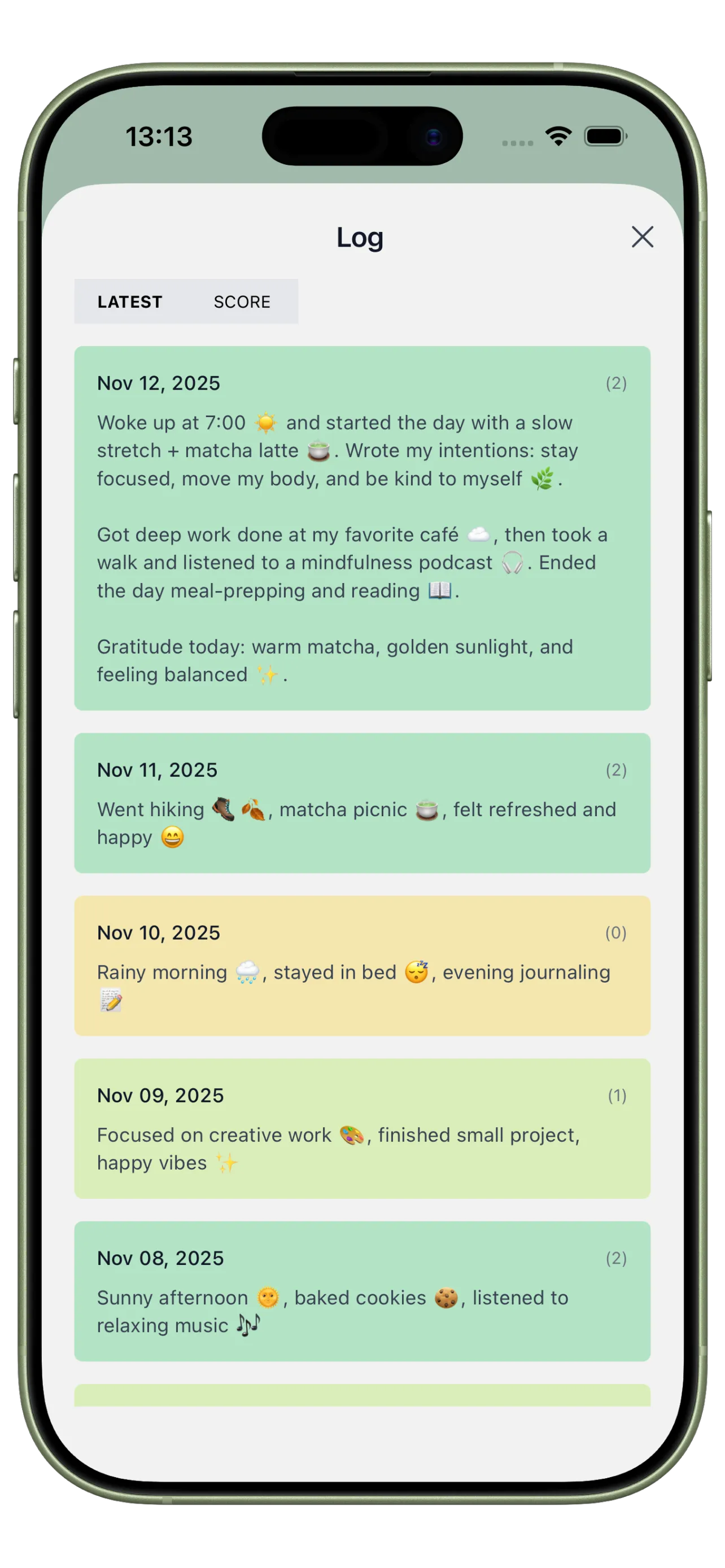
Mood and Habit Timeline
See mood notes and habit completion together instead of reviewing them in separate tools.
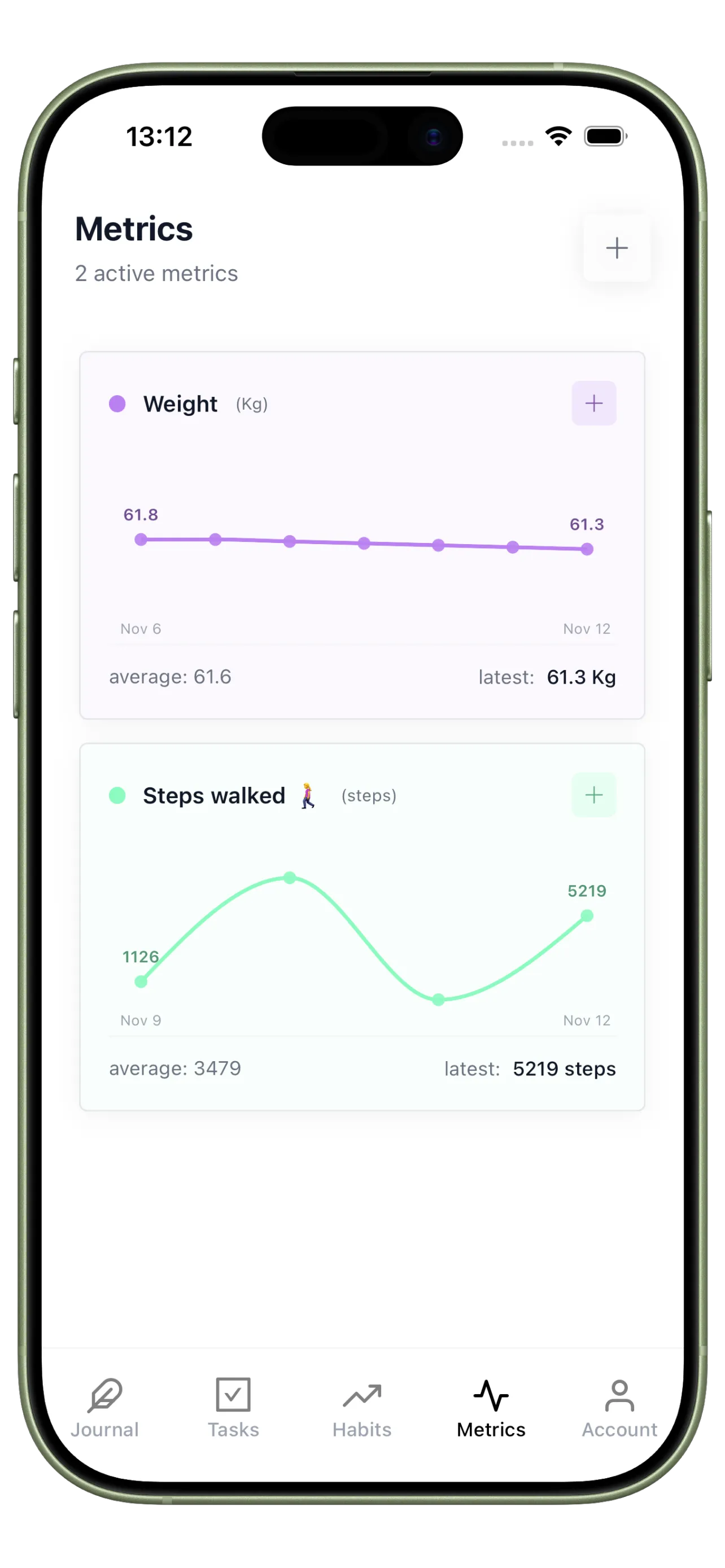
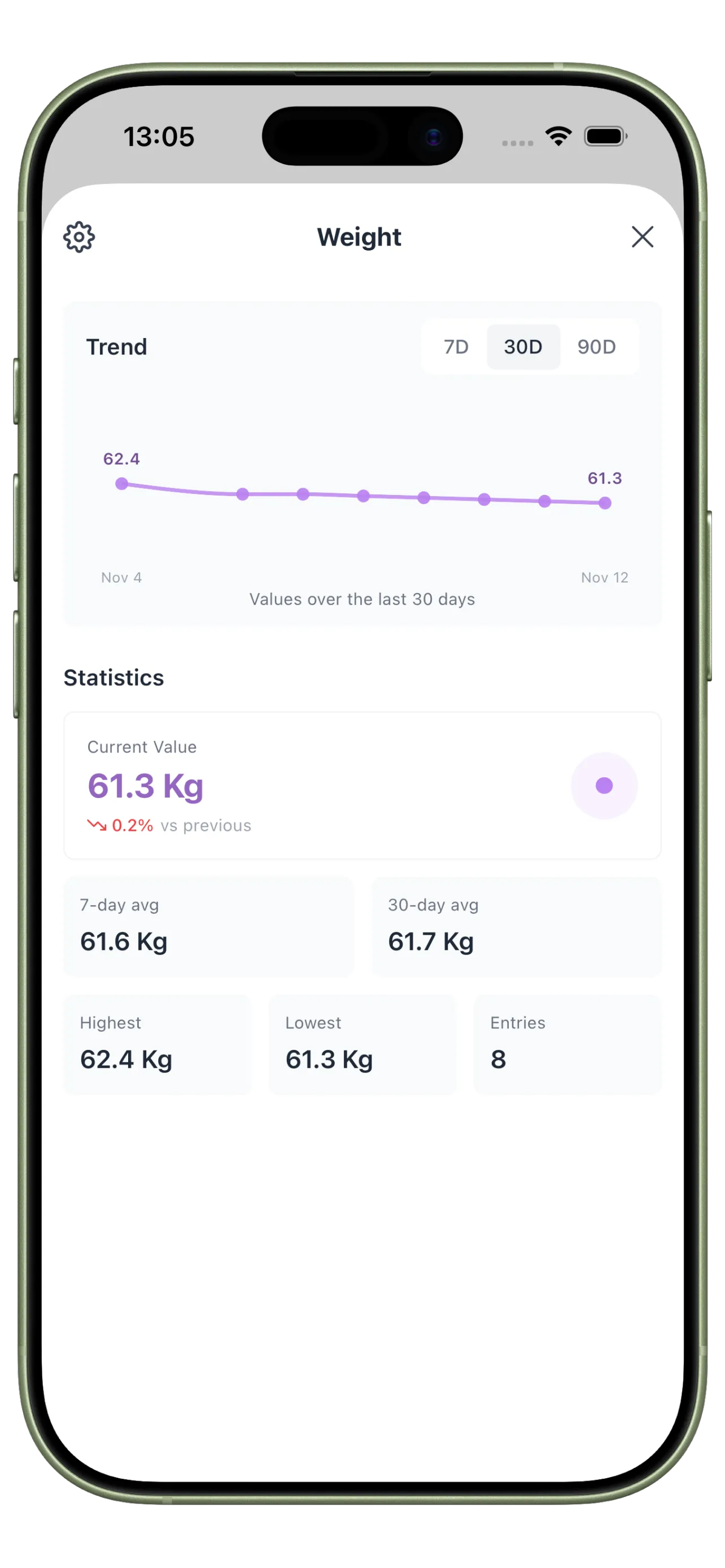
Wellbeing Metrics
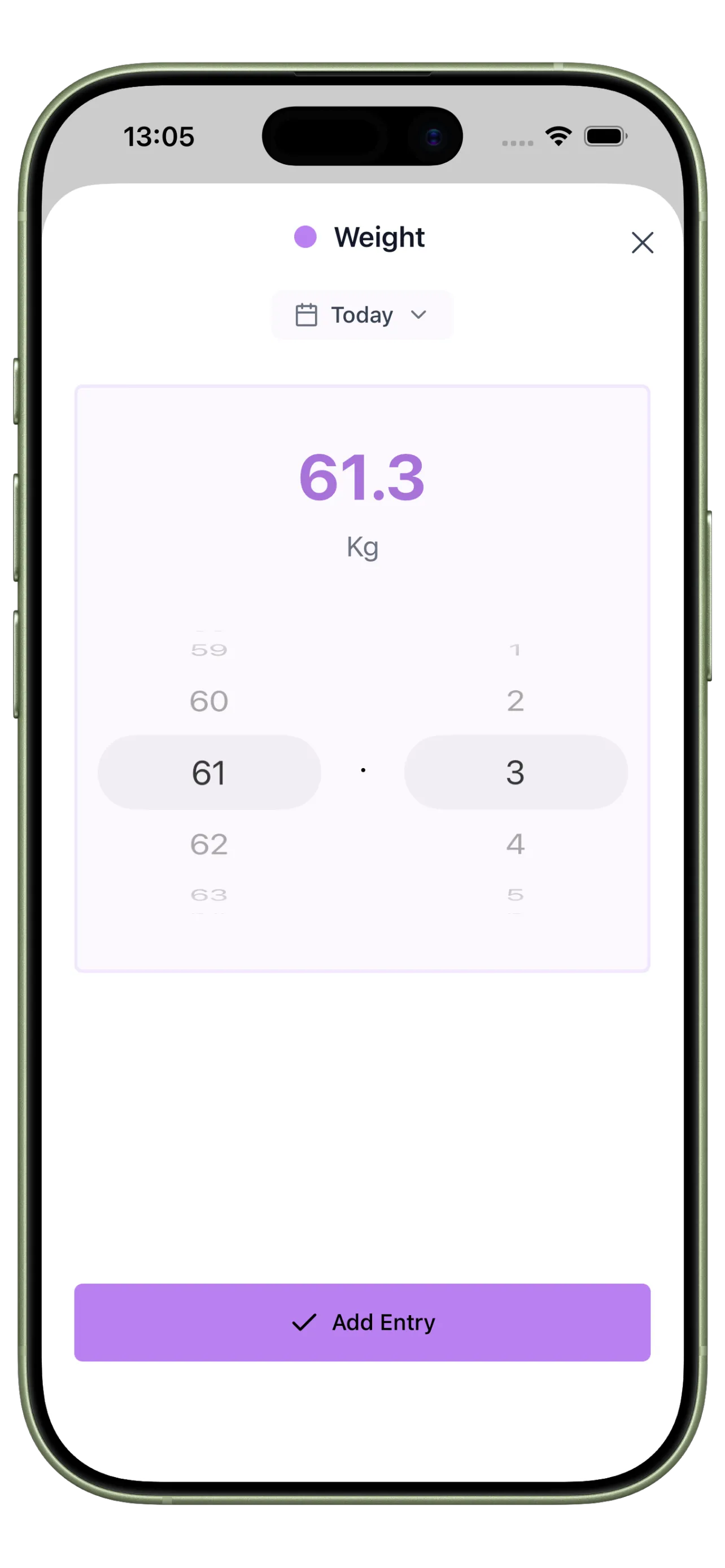
Track sleep, energy, stress, workouts, or other signals that explain how your days feel.
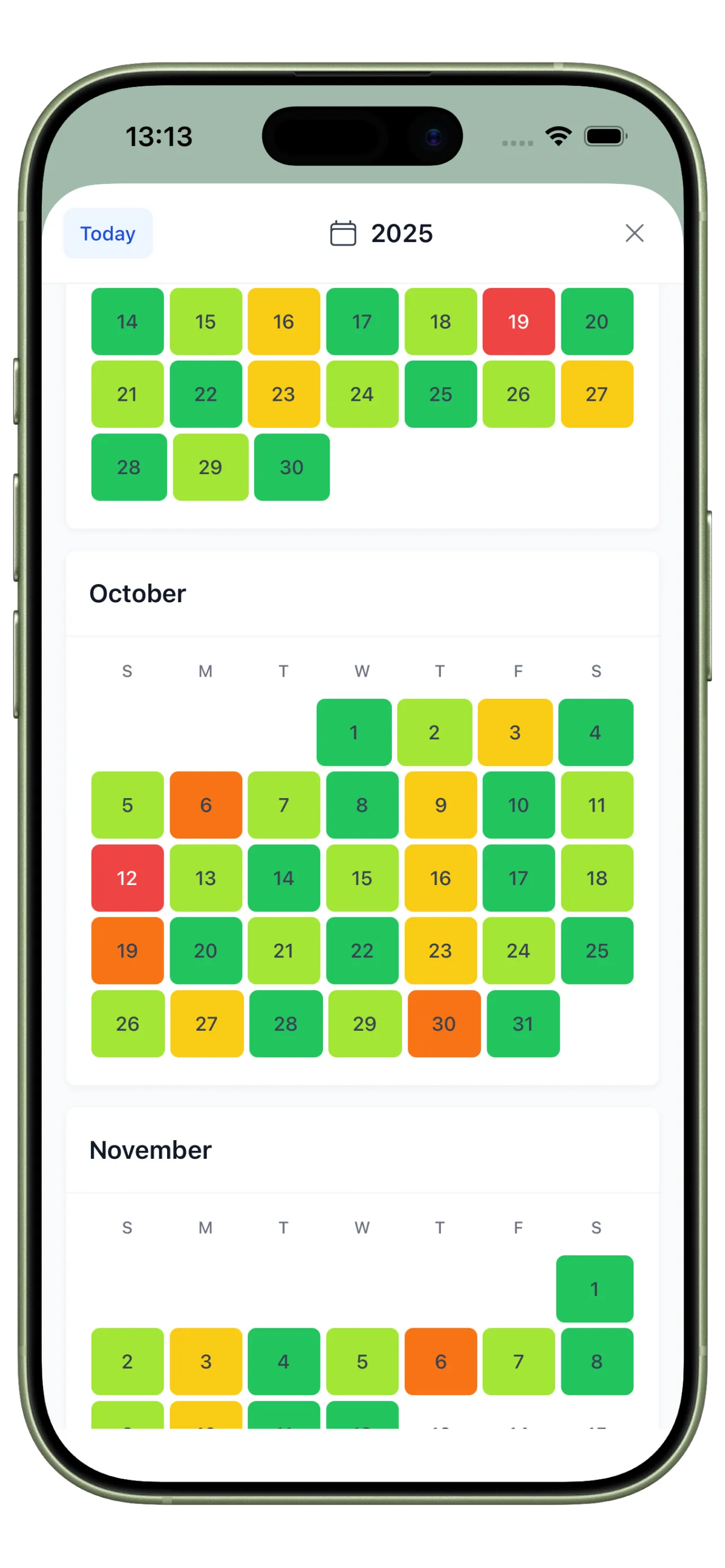
Habit-Mood Calendar
Use visual consistency to spot clusters of strong routines and better moods.
From Mood Guessing to Pattern Recognition

Before: Feelings Without Context
You know some days feel better, but cannot tell whether sleep, movement, planning, or stress caused the change.

After: Mood With Evidence
You can review which habits consistently correlate with calmer, stronger, or more focused days.
Habit and Mood Tracker FAQ
Why track habits and mood together?
Because mood is easier to understand when you can compare it with sleep, movement, routines, stress, and follow-through.
What habits should I track for mood?
Start with sleep, movement, hydration, outdoor time, planning, and a calming wind-down routine.
Can this help with anxiety or stress?
It can help you notice patterns and supportive routines, but it is not a replacement for professional care when that is needed.
Start Connecting Habits and Mood
Better days become easier to repeat when you can see the habits that helped create them.