How Do I Track Personal Growth Without Overcomplicating It?
A simple framework for tracking personal growth through habits, mood, reflection, metrics, and weekly review.
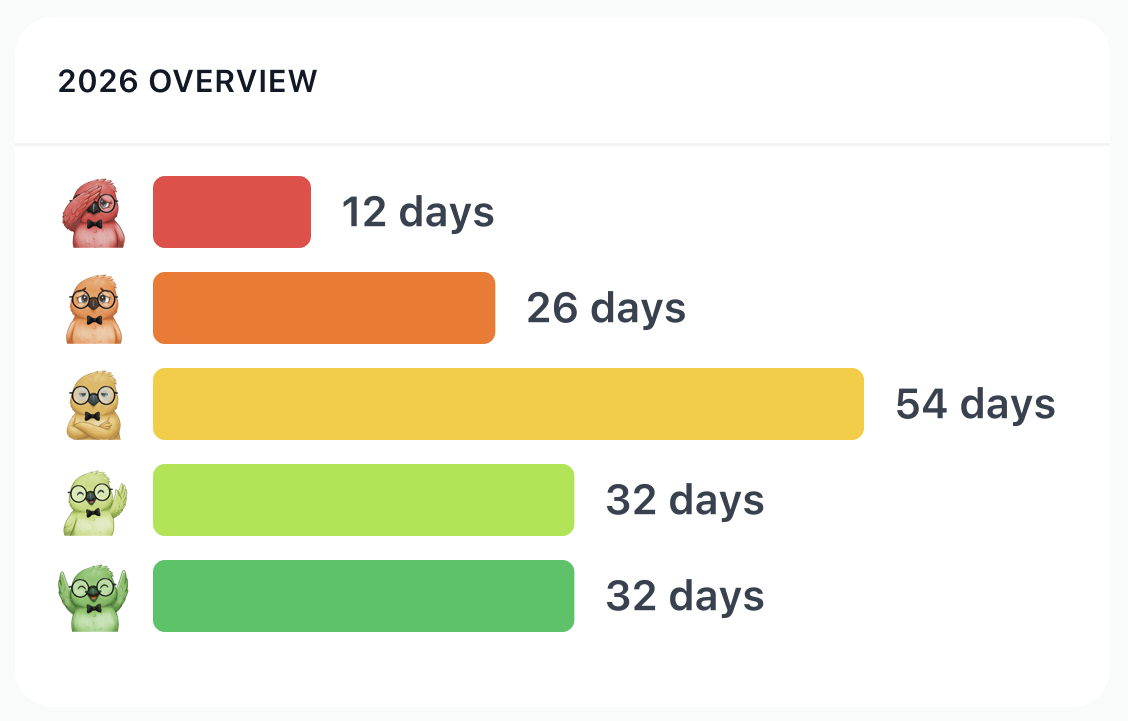

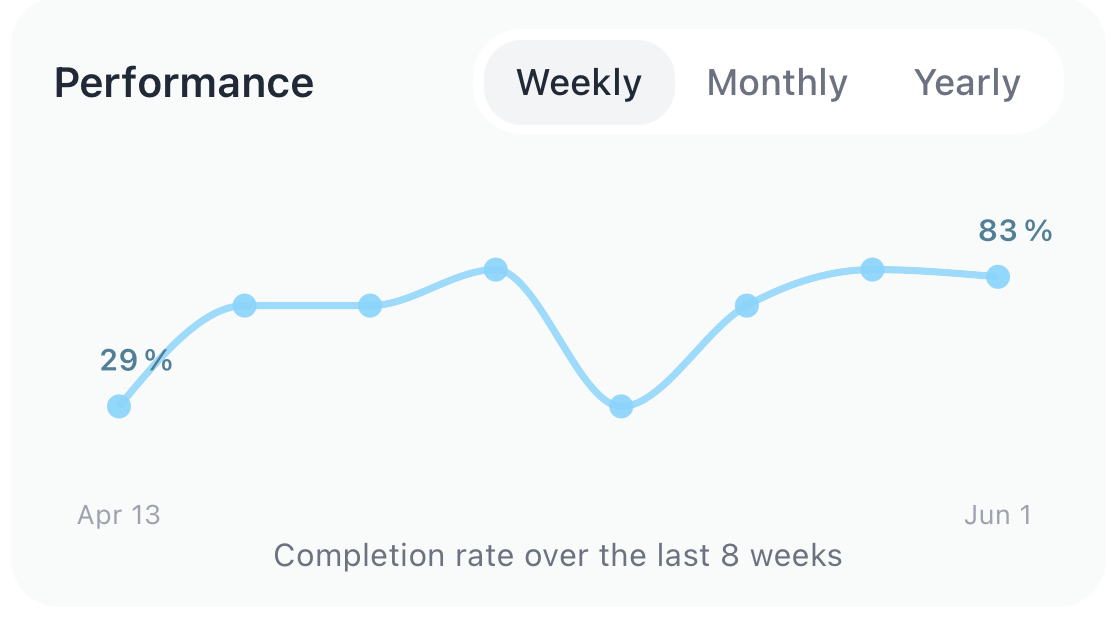
Track daily habits as action evidence
Track mood as emotional feedback
Track one or two metrics connected to your goals
Personal growth is hard to track because some of the most important changes are invisible at first. Confidence, discipline, calm, focus, and self-trust do not always move in a straight line.
The solution is to track a mix of actions, feelings, and outcomes. Actions show what you did. Feelings show how life felt. Outcomes show whether the actions are moving you somewhere.
Quick Answer
- Track daily habits as action evidence.
- Track mood as emotional feedback.
- Track one or two metrics connected to your goals.
- Write short reflections for context.
- Review weekly and monthly patterns.
Use three types of data
Action data includes habits completed, workouts, reading days, deep work blocks, or check-ins. Emotional data includes mood, stress, energy, or confidence. Outcome data includes weight, sleep, pages read, money saved, or projects shipped.
Together, these give you a more honest view than any single metric.
Write short context notes
A number can tell you what happened. A note can tell you why. If your mood was low despite completing habits, context matters. If your best day followed a walk and early bedtime, context matters.
The note can be one sentence. The value comes from consistency.
Review patterns, not perfection
Personal growth is not a perfect upward line. Review whether your baseline is changing: more check-ins, better recovery, fewer zero days, clearer priorities, or more honest reflection.
Those are real signs of growth even before the big external result arrives.
Common Mistakes
- Tracking only outcomes and ignoring daily behaviors.
- Tracking so much that the system becomes exhausting.
- Never reviewing the data.
- Comparing your growth to someone else's highlight reel.
Where Three Cells Fits
Three Cells is designed for this kind of personal growth tracking because it joins habits, mood, metrics, and reflection into one daily record.
The important thing is that the advice becomes a daily ritual, not a note you forget. A simple system gives the habit somewhere to live.

Turn the advice into visible proof.
Three Cells gives you one daily check-in for habits, mood, reflection, tasks, and metrics, so your effort becomes a record you can actually trust.


You can also read more Three Cells guides on the blog, including practical posts on habits, journaling, routines, and long-term consistency.