How Do I Track My Mood and Habits Together?
A simple way to connect mood, habits, and daily reflection so you can understand what affects your best and worst days.
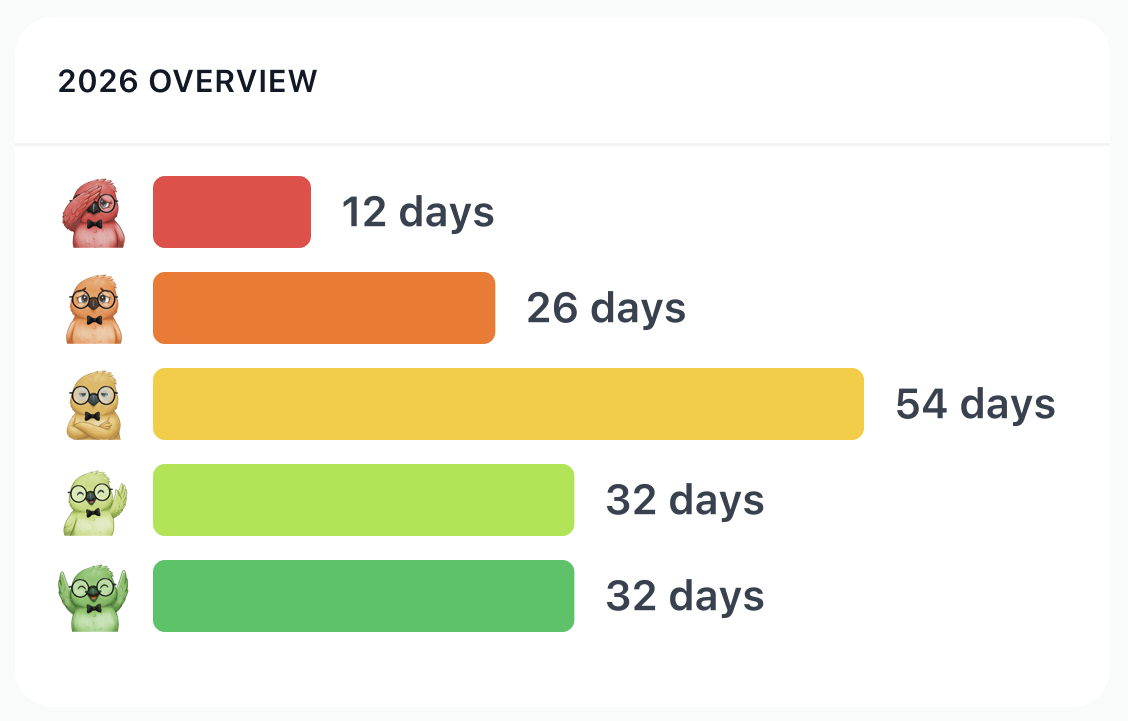

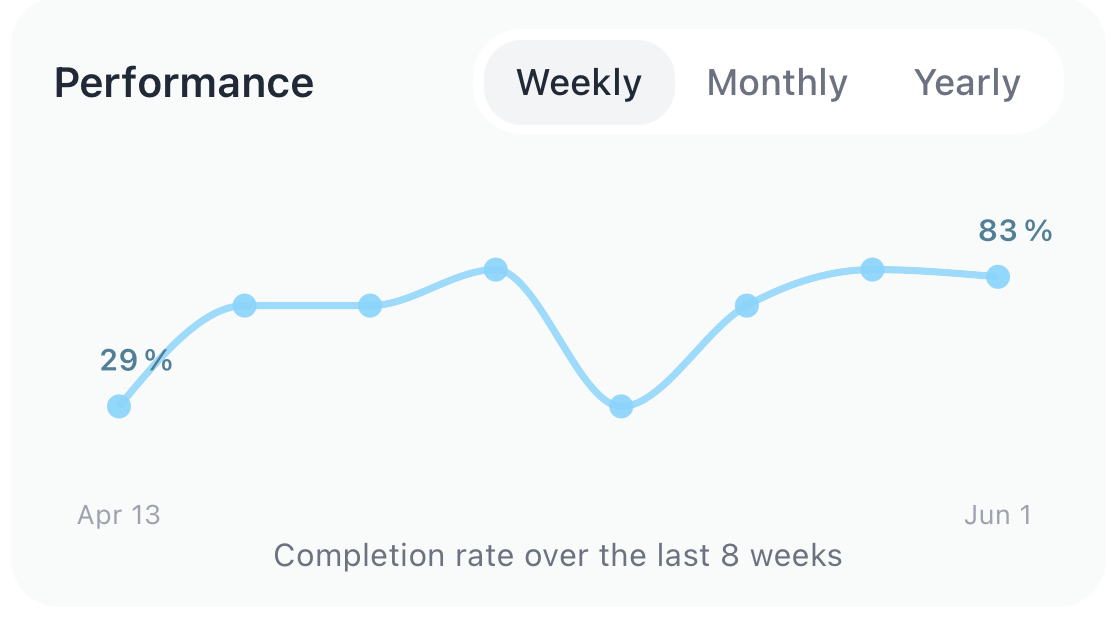
Pick a simple mood scale you can use every day
Track only the habits that might affect your mood or progress
Add a short note about what influenced the day
Tracking habits tells you what you did. Tracking mood tells you how the day felt. Tracking both together helps you understand why certain routines matter.
This is powerful because self-improvement is not only about completing tasks. It is about learning which actions reliably make your life feel better.
Quick Answer
- Pick a simple mood scale you can use every day.
- Track only the habits that might affect your mood or progress.
- Add a short note about what influenced the day.
- Review weekly patterns instead of overreacting to one day.
- Look for repeatable triggers behind good and bad days.
Keep mood tracking simple
A mood tracker should be fast. Choose a small set of options, such as terrible, bad, okay, good, and amazing. The label matters less than using it consistently.
Do not force precision. The goal is a signal, not a clinical diagnosis.
Connect mood to behaviors
Track habits that plausibly affect how you feel: sleep, movement, caffeine, alcohol, reading, screen time, social connection, meditation, or deep work.
After a few weeks, compare mood with habit completion. You may find that your mood changes after certain actions more reliably than you expected.
Add context in one sentence
Numbers alone can be misleading. A short note explains the day: poor sleep, difficult meeting, good workout, family time, too much scrolling.
The combination of mood, habits, and context is what makes the data useful.
Common Mistakes
- Tracking too many mood variables at once.
- Expecting one habit to fix every bad mood.
- Using the data to criticize yourself.
- Not writing context when a day is unusually good or bad.
Where Three Cells Fits
Three Cells combines mood, habits, and reflection in the same daily check-in, which makes it suited to understanding your best-day patterns.
The important thing is that the advice becomes a daily ritual, not a note you forget. A simple system gives the habit somewhere to live.

Turn the advice into visible proof.
Three Cells gives you one daily check-in for habits, mood, reflection, tasks, and metrics, so your effort becomes a record you can actually trust.


You can also read more Three Cells guides on the blog, including practical posts on habits, journaling, routines, and long-term consistency.