How Do I Stop Being Lazy? Start With Friction, Not Shame
A practical guide for people who call themselves lazy but actually need smaller starts, clearer routines, and visible progress.


Stop using lazy as your only explanation
Pick one action that takes less than five minutes
Make the action visible with a check-in or streak
Calling yourself lazy usually does not help. Sometimes the real issue is low energy, poor sleep, anxiety, unclear goals, too much friction, or a habit that is too big to start. Shame may create a short burst, but it rarely creates a stable routine.
The better question is: what is making action hard, and what is the smallest proof I can create today?
Quick Answer
- Stop using lazy as your only explanation.
- Pick one action that takes less than five minutes.
- Make the action visible with a check-in or streak.
- Fix one source of friction in your environment.
- Build self-trust through small completed promises.
Diagnose before judging
Ask what is actually happening. Are you tired? Overwhelmed? Avoiding a task because it is unclear? Distracted by your phone? Trying to start with a version that is too hard?
A better diagnosis leads to a better solution. Shame gives you no useful instructions.
Use the five-minute entry point
Tell yourself you only need to do five minutes. Clean for five minutes, walk for five minutes, read for five minutes, write for five minutes. Starting is the bottleneck.
Once you start, you can continue if you want. If not, you still created evidence that you moved.
Track completion to rebuild self-trust
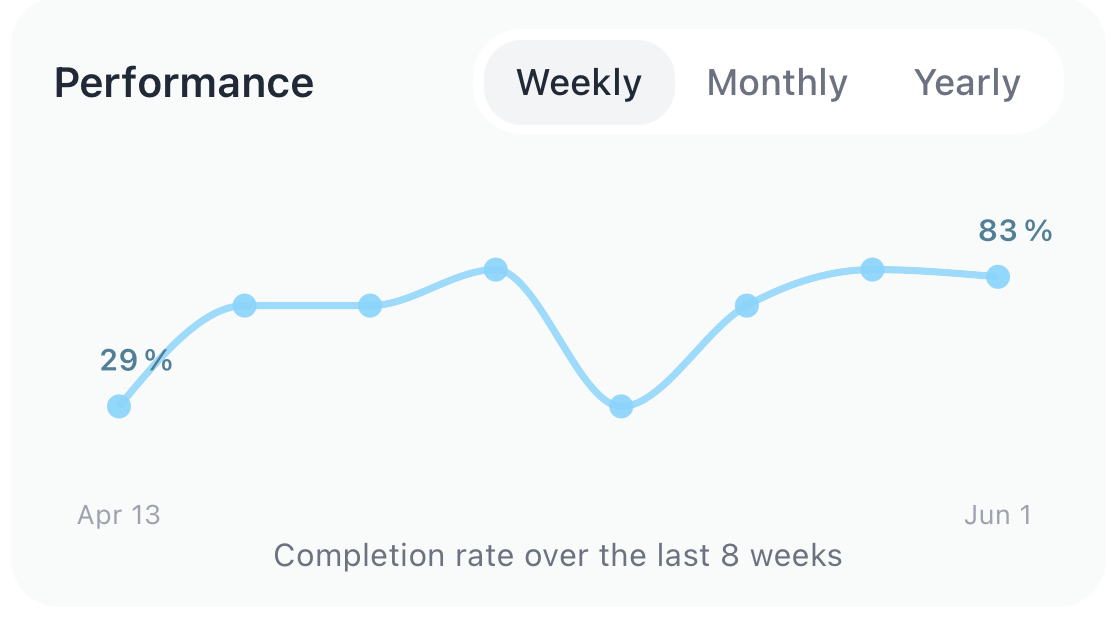
People who feel lazy often have a long history of broken promises to themselves. Tracking small wins repairs that relationship slowly.
The goal is not to prove you are superhuman. It is to prove you are not stuck.
Common Mistakes
- Using insults as a productivity strategy.
- Trying to change everything in one day.
- Starting with the hardest version of the task.
- Ignoring sleep, stress, and emotional load.
Where Three Cells Fits
Three Cells helps by making small actions count. You can track tiny habits, mood, and daily proof without building a complicated productivity system.
The important thing is that the advice becomes a daily ritual, not a note you forget. A simple system gives the habit somewhere to live.

Turn the advice into visible proof.
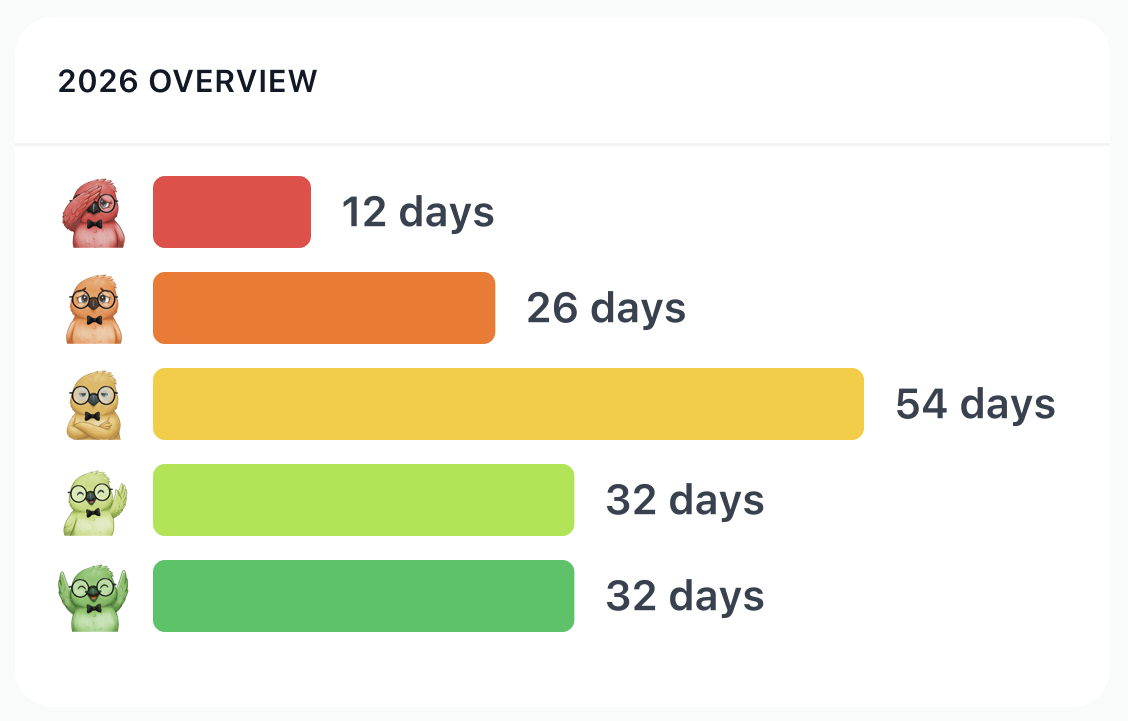
Three Cells gives you one daily check-in for habits, mood, reflection, tasks, and metrics, so your effort becomes a record you can actually trust.

You can also read more Three Cells guides on the blog, including practical posts on habits, journaling, routines, and long-term consistency.