How Do I Lose Weight and Stay Consistent?
A consistency-first weight loss guide focused on habits, tracking, and routines you can keep when motivation drops.
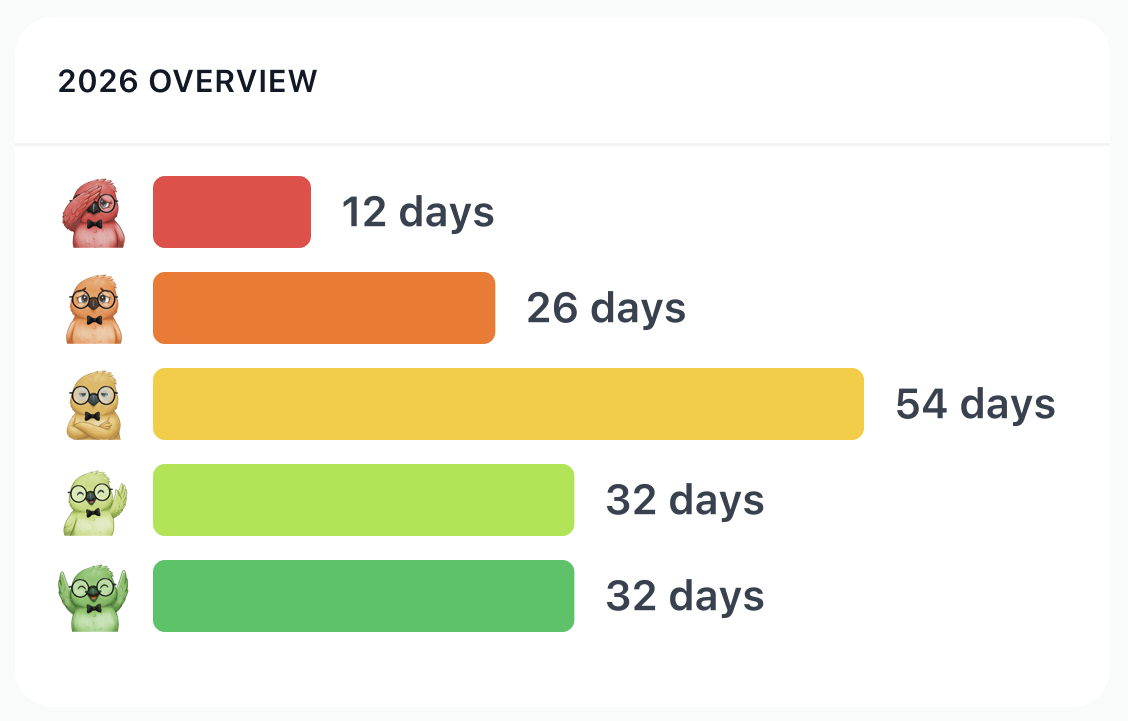

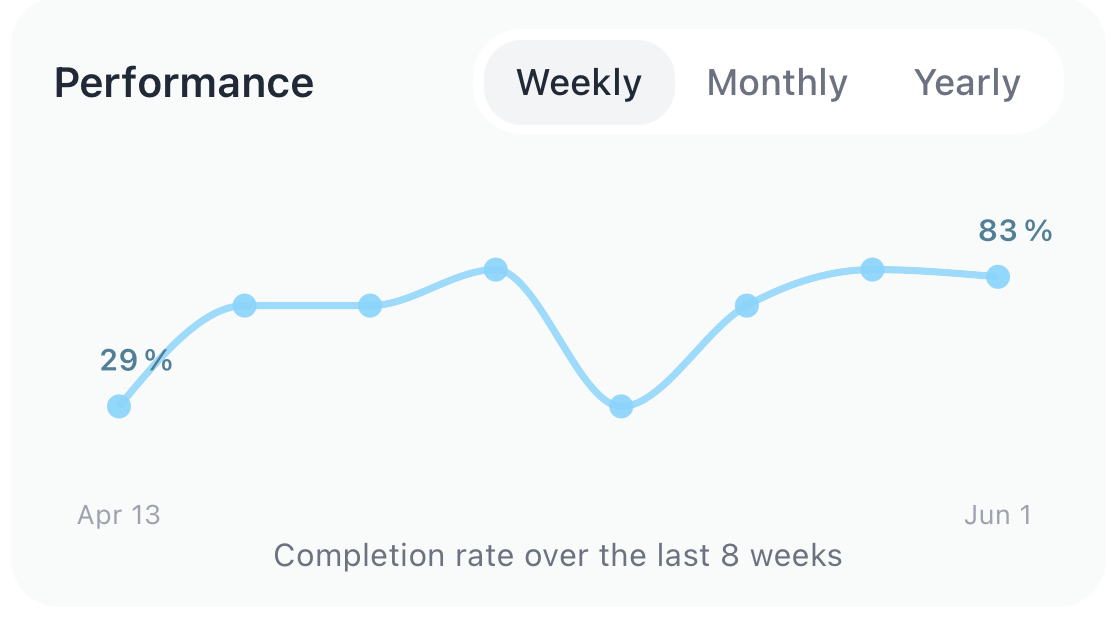
Track a few daily behaviors before obsessing over the scale
Choose one food habit, one movement habit, and one sleep habit
Weigh or measure progress consistently, not emotionally
Weight loss usually fails at the consistency layer before it fails at the information layer. Most people know the basics: move more, eat more protein and whole foods, reduce liquid calories, sleep better, and create a calorie deficit. The hard part is repeating the basics long enough for them to work.
This guide is not medical advice. If you have a health condition, take medication, are pregnant, or have a history of disordered eating, speak to a qualified professional. For most people, the useful starting point is building a repeatable routine.
Quick Answer
- Track a few daily behaviors before obsessing over the scale.
- Choose one food habit, one movement habit, and one sleep habit.
- Weigh or measure progress consistently, not emotionally.
- Use weekly trends instead of judging one day.
- Plan a fallback for weekends, travel, and stressful days.
Track behaviors that create the result
The scale is feedback, but it is not the behavior. Useful daily habits include a protein-rich breakfast, a walk, a planned lunch, drinking water, closing the kitchen after dinner, or preparing food before you get hungry.
Pick two or three behaviors you can actually repeat. If they happen most days, the result has a much better chance of following.
Use the scale as data, not a verdict
Weight fluctuates because of water, salt, digestion, hormones, training, and sleep. One weigh-in cannot tell the full story. A weekly average or trend is more useful than a single emotional number.
Pair weight tracking with mood, energy, and habit completion. That gives you a fuller picture of what is working.
Make weekends boringly predictable
A common pattern is being strict Monday to Friday and losing control on the weekend. The fix is not more guilt. It is a weekend baseline: one planned meal, one walk, one check-in, and one non-negotiable habit.
You do not need perfect weekends. You need weekends that do not erase the week.
Common Mistakes
- Changing the plan every time the scale moves up.
- Tracking calories but ignoring sleep, hunger, and stress.
- Creating a plan that depends on never eating socially.
- Using punishment workouts after overeating.
Where Three Cells Fits
Three Cells suits weight loss when you use it to track the daily behaviors behind the result: movement, meals, sleep, mood, weight, and consistency.
The important thing is that the advice becomes a daily ritual, not a note you forget. A simple system gives the habit somewhere to live.

Turn the advice into visible proof.
Three Cells gives you one daily check-in for habits, mood, reflection, tasks, and metrics, so your effort becomes a record you can actually trust.


You can also read more Three Cells guides on the blog, including practical posts on habits, journaling, routines, and long-term consistency.