How Do I Create a Daily Routine I Can Actually Stick To?
A simple daily routine framework for mornings, evenings, habits, reflection, and realistic follow-through.

Choose one morning anchor and one evening anchor
Limit yourself to three daily non-negotiables
Add a 60-second check-in for habits and mood
A good daily routine should make your life easier, not more fragile. If your routine requires two perfect hours, ten apps, and zero interruptions, it is not a routine. It is a fantasy schedule.
The best daily routine has a small morning anchor, one or two core habits, a simple way to track progress, and an evening shutdown that prepares tomorrow.
Quick Answer
- Choose one morning anchor and one evening anchor.
- Limit yourself to three daily non-negotiables.
- Add a 60-second check-in for habits and mood.
- Prepare the next day before bed.
- Review the routine weekly and remove what does not get used.
Build around anchors
Anchors are moments that already happen: waking up, brushing your teeth, making coffee, lunch, finishing work, or getting into bed. Attach habits to these moments instead of floating them somewhere in the day.
For example: after coffee, plan the day. After lunch, walk. Before bed, read two pages and check in.
Keep the routine small enough to repeat
Your first routine should feel almost too simple. A basic version might be: make the bed, walk ten minutes, check off habits, write one sentence, prepare tomorrow's first task.
Once that feels automatic, you can add more. The first job is stability.
Track the routine as one daily record
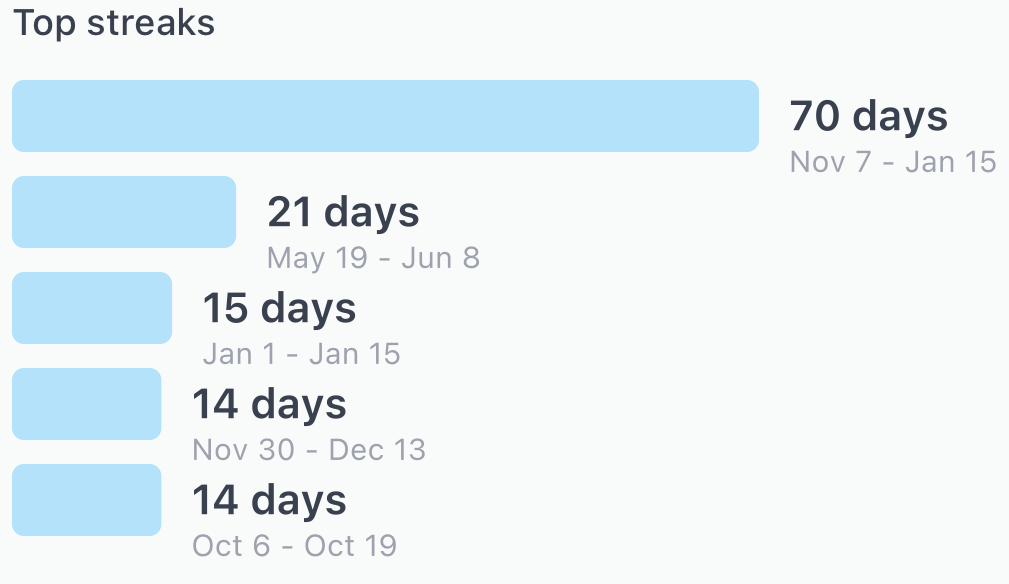
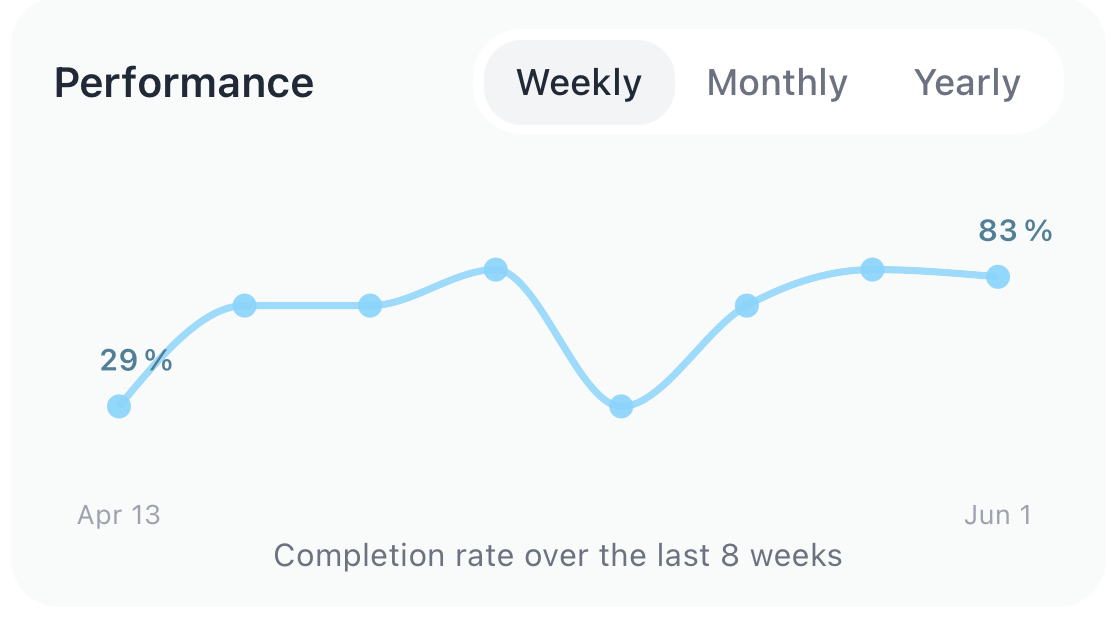
Routines become easier when you can see them. Track the habits, note your mood, and write a short reflection about what made the day work or not work.
Over time, this record becomes a map of your best days.
Common Mistakes
- Copying someone else's 5am routine without matching your real life.
- Adding too many habits before the routine is stable.
- Planning the routine but not tracking whether it happened.
- Making the routine impossible on weekends.
Where Three Cells Fits
Three Cells fits daily routines because it gives you one place to check habits, mood, tasks, and progress in seconds.
The important thing is that the advice becomes a daily ritual, not a note you forget. A simple system gives the habit somewhere to live.

Turn the advice into visible proof.
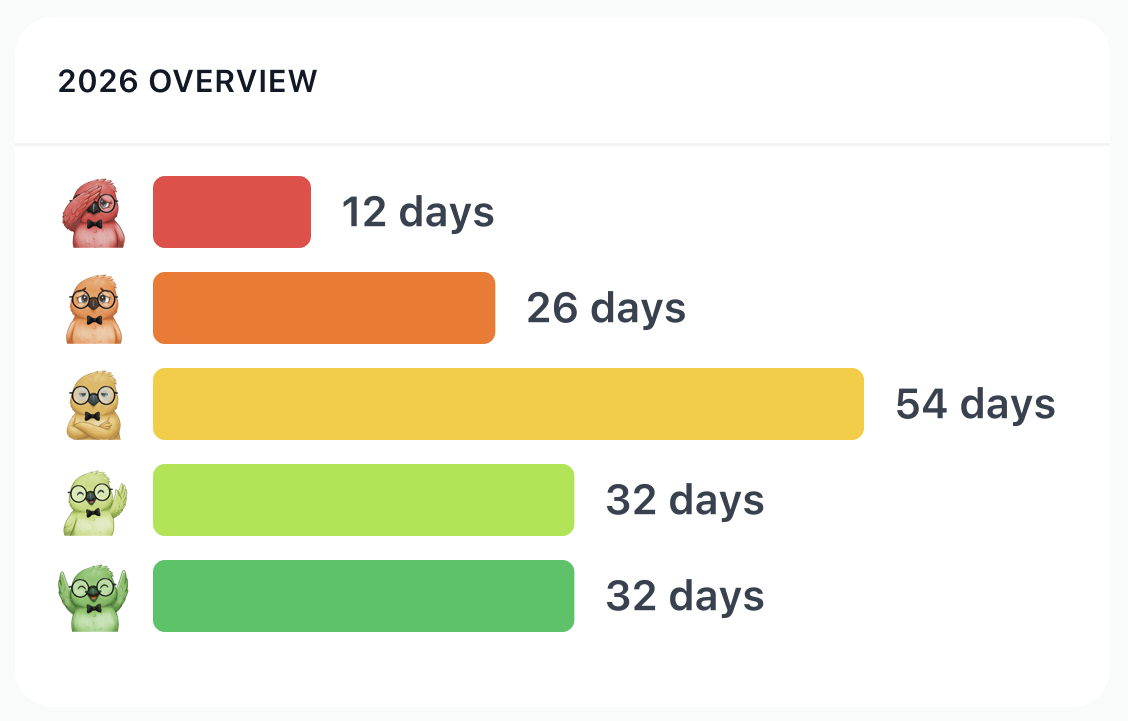
Three Cells gives you one daily check-in for habits, mood, reflection, tasks, and metrics, so your effort becomes a record you can actually trust.


You can also read more Three Cells guides on the blog, including practical posts on habits, journaling, routines, and long-term consistency.