How Do I Build Habits That Actually Stick?
A practical habit-building method for people who keep starting strong and falling off after a few days.


Make the habit specific enough to know whether it happened
Attach it to a time, place, or existing routine
Start with a version that feels almost too easy
A habit sticks when it becomes easier to repeat than to renegotiate. That means the habit needs a clear trigger, a small first action, a visible reward, and a way to recover after missed days.
Most failed habits are too vague. 'Get healthy' is not a habit. 'Walk for ten minutes after lunch' is. 'Read more' is not a habit. 'Read two pages before bed' is.
Quick Answer
- Make the habit specific enough to know whether it happened.
- Attach it to a time, place, or existing routine.
- Start with a version that feels almost too easy.
- Track completion visually.
- Review what made the habit easier or harder each week.
Define the smallest complete version
A good habit has a minimum version and a full version. The minimum version keeps the streak alive. The full version creates bigger results when you have the energy.
For example, the minimum workout might be five minutes of bodyweight exercises. The full version might be a gym session. Both count because both reinforce the identity of someone who trains.
Use a trigger instead of relying on memory
Habits need cues. Pick a clear trigger: after brushing your teeth, after opening your laptop, after lunch, before bed, or when you sit on the train.
If the trigger is vague, the habit becomes optional. If the trigger is concrete, you reduce the number of decisions needed to begin.
Reward the act of showing up
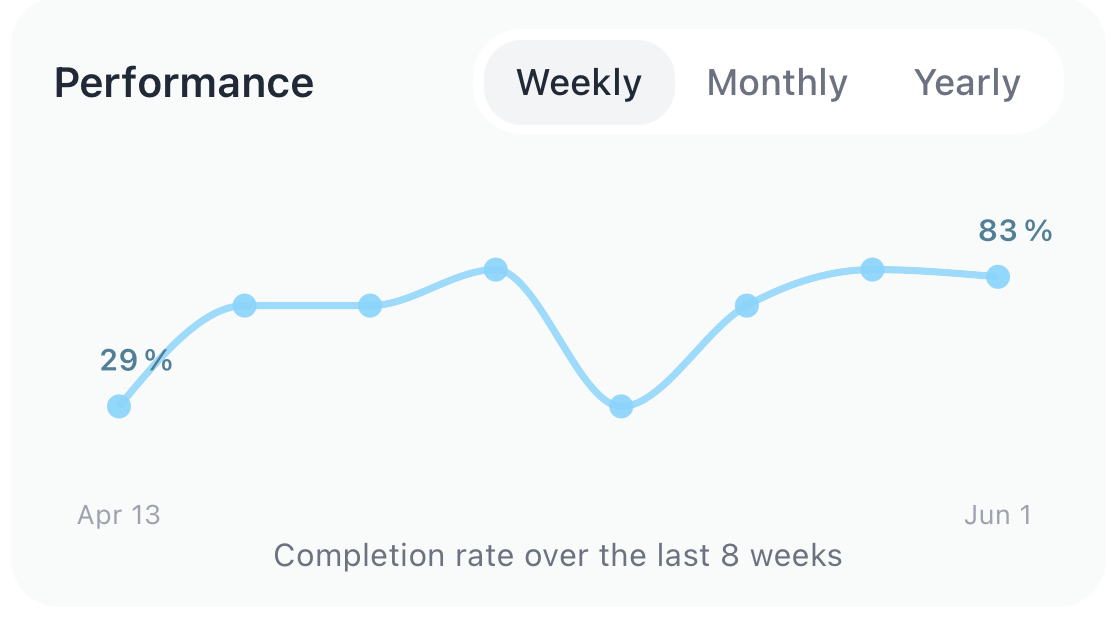
The reward does not have to be huge. A checked box, streak, heatmap, or short reflection can be enough. The point is to make your effort visible.
When progress is invisible, people quit too early. When progress is visible, small actions start to feel like they matter.
Common Mistakes
- Choosing habits because they sound impressive instead of because they fit your life.
- Making the first version too hard.
- Changing the habit every few days before it has time to settle.
- Tracking only when things go well.
Where Three Cells Fits
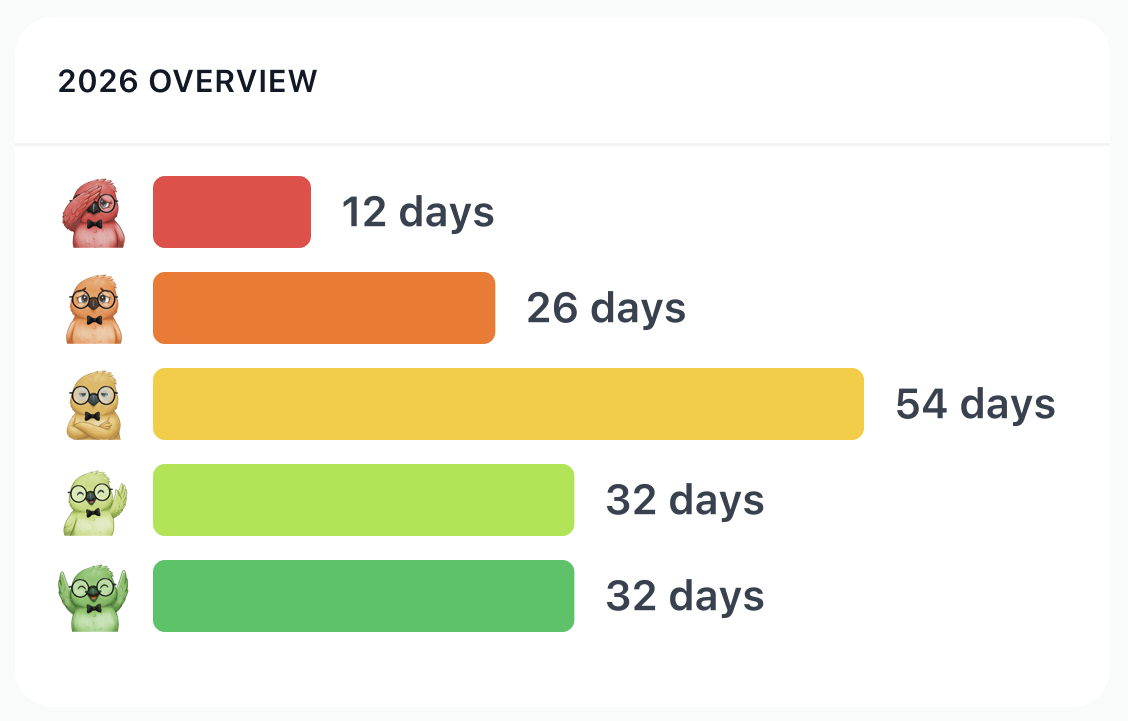
Three Cells helps because it combines habit check-offs, streaks, and short reflection in one daily ritual, which is the exact loop habits need to stick.
The important thing is that the advice becomes a daily ritual, not a note you forget. A simple system gives the habit somewhere to live.

Turn the advice into visible proof.
Three Cells gives you one daily check-in for habits, mood, reflection, tasks, and metrics, so your effort becomes a record you can actually trust.

You can also read more Three Cells guides on the blog, including practical posts on habits, journaling, routines, and long-term consistency.